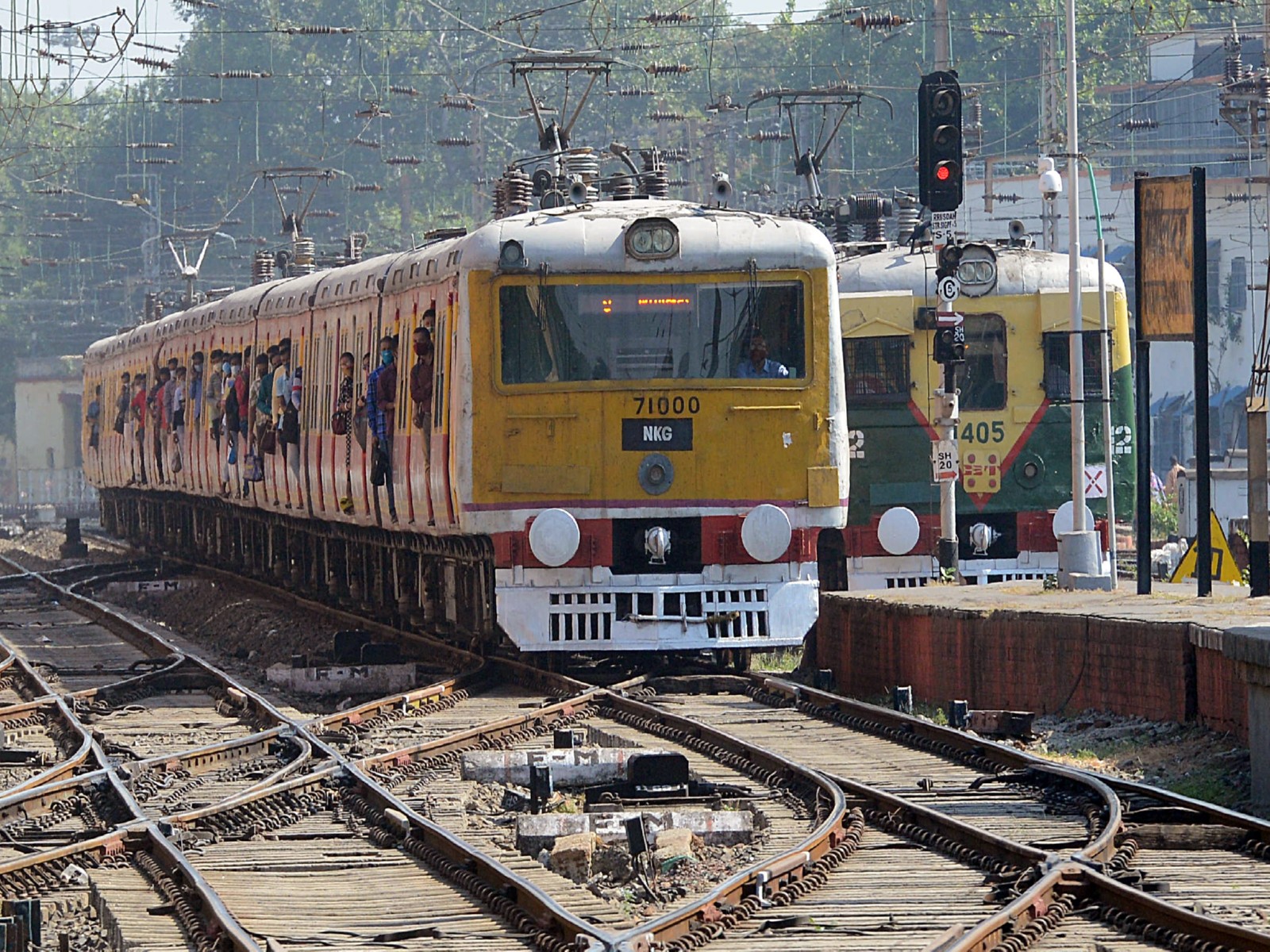
New Delhi [India], June 17 (ANI): In a major push towards modernising railway infrastructure and enhancing operational safety, Indian Railways has approved a ₹405 crore signalling upgradation project on the Eastern Railway network, officials said on Wednesday.
The project will involve the replacement of existing relay-based interlocking systems with Electronic Interlocking (EI) at 32 stations, including 25 Panel Interlocking (PI)/Route Relay Interlocking (RRI) stations and 7 Intermediate Block Signalling (IBS) locations across High Density Network (HDN) and Highly Utilised Network (HUN) routes.
According to officials, many of the existing signalling installations are based on ageing relay technology and are facing operational limitations due to outdated infrastructure. Issues such as non-segregation of clean and dirty wiring, obsolete power supply arrangements, improper earthing systems and ageing equipment have contributed to increased maintenance requirements and higher risk of failures.
The approved project aims to replace these legacy systems with modern Electronic Interlocking technology, which offers higher reliability, improved safety standards and faster fault detection and resolution capabilities.
Electronic Interlocking systems use advanced digital technology to control train movements with greater precision, significantly reducing the probability of signalling failures while improving system availability and operational efficiency, officials said.
The modernised signalling infrastructure is expected to ensure smoother train operations on some of the busiest railway corridors in the country, while strengthening safety standards for both passenger and freight services.
Officials further stated that the initiative is aligned with Indian Railways’ broader strategy to upgrade signalling systems and support advanced technologies such as Kavach, Automatic Block Signalling and Centralised Traffic Control on high-density routes.
The project, they said, reflects Indian Railways’ continued focus on modernising critical infrastructure and improving the reliability, safety and efficiency of train operations across the network. (ANI)
Related reading