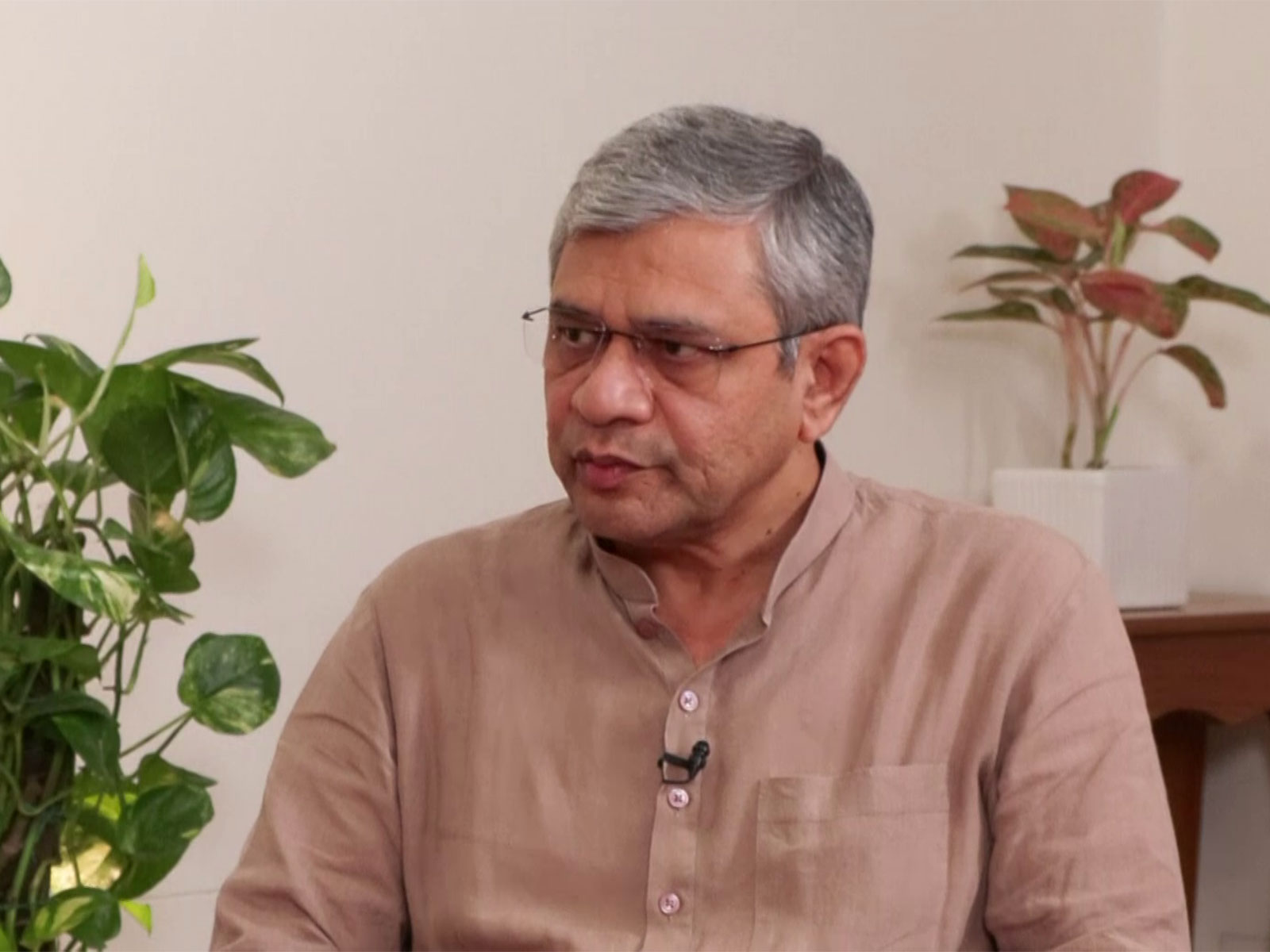
New Delhi [India], June 8 (ANI): The next phase of India’s semiconductor mission, Semicon 2.0, will focus on chip design, semiconductor manufacturing equipment and the wider ecosystem required for chip production, Union Minister for Electronics and Information Technology Ashwini Vaishnaw has said.
In an exclusive interview with ANI, Vaishnaw said India has made significant progress under the Semiconductor Mission since its launch and is now preparing for the next phase of growth.
The Union Minister said the first phase of the mission has already delivered visible results, with semiconductor production beginning at approved facilities.
“There are 12 plants which are approved under the semiconductor mission. Two of them have started the commercial production. These two are Micron and Kaynes,” Vaishnaw said.
“Another one, CG Semi will start commercial production in July, middle of July somewhere. And by the end of this year, we will have four units that have commercial production,” the Minister added.
Highlighting the pace of development, Vaishnaw said, “We started the journey just on January 1, 2022. In such a short time frame, we have been able to reach this level.”
The minister said India has also built a sizeable talent base for the sector. “We now have talent, more than 75,000 engineers are trained in this,” he said.
According to Vaishnaw, Semicon 2.0 will focus on strengthening areas beyond chip fabrication and building a more complete semiconductor ecosystem in the country.
“In the Semicon 2.0, our focus will be on getting the other parts of the ecosystem into place, the machines which manufacture semiconductors. These are extremely, extremely complex and highly concentrated in three or four countries. We would like to get those manufacturing and design activities to India. Second, we have a large talent base for designing chips,” he said.
He noted that the first phase of the mission has already helped create a semiconductor startup ecosystem in the country.
According to the minister, the next phase of the semiconductor programme will build on the progress made so far and focus on developing design capabilities, manufacturing equipment, chemicals, gases and other critical parts of the semiconductor value chain in India.
“In the first version of the semiconductor mission, we could get about 40 startups which design semiconductor chips, and they are getting VC (venture capital) funding now. That is the deep tech part of the startup world, and it has made very good progress. In Semicon 2.0, we would have design as the number one priority, the machines which go into manufacturing of semiconductors, the chemicals and the gases. There are about 250 chemicals and about 50 gases which go into manufacturing a chip. So, all that we would like to focus on in the second part of the mission,” he added.
Expressing confidence about future growth, Vaishnaw said the progress achieved under the Semiconductor Mission has generated strong interest among global players.
“The world certainly will be coming up in much larger numbers in the second version,” he said. (ANI)
Related reading